They can make it more difficult to gain access to drugs, maybe by never carrying cash with them. People will put barriers in front of themselves. True, some people choose they can't do it by themselves and choose to enter into treatmentthat's taking matters into one's own hands, too. If you're currently in treatment, you've made a big step.
You get a lot of assistance. You get instruction in formal regression prevention therapy. You may get methadone for withdrawal and medications for an underlying psychiatric issue. I'm vital of the basic view promoted by the National Institute on Drug Abuse that dependency is a brain disease. Naturally, every habits is moderated by the brain, but the language "brain disease" brings the undertone that the affected individual is helpless before his own brain chemistry.
It likewise neglects the enormously important fact that addicts use drugs to help them cope in some manner. That, as damaging as they are, drugs likewise serve a purpose. This acknowledgment is extremely essential for designing tailored treatments. People who concern treatment tend to have concurrent psychiatric disease, and they likewise tend to be less responsive to treatment.
This is called the "clinical impression," and it applies to all medical conditions. It refers to a propensity to believe that the clients you see in a medical setting completely represent all people with that condition. It's not true. You're not seeing the complete universe of individuals. I doubt it.
The only drugs that are neurotoxic are alcohol, methamphetamine, probably MDMA [ecstasy], and some inhalants. * Cocaine can lead to micro strokes. That's brain damage. Yes, dependency alters the brain however this does not doom individuals to utilize drugs forever. The most long-term modification is memories. Some individuals have stronger memories and they are more cue-reactive [more reactive to stimulus that activates the benefit path].
For some individuals the dependency and withdrawal will be more extreme through genetically moderated issues. Those individuals have a harder time stopping. One would desire to check out the possibility of underlying psychiatric problems. The grandiosity, the loose associations, the jumbled flow suggest a believed condition. Heavy, heavy substance abuse might cause that.
To attempt to make a good medical diagnosis, whatever ongoing substance abuse there is would have to stop. After the withdrawal phase is dealt with clinicians would then need to see if a hidden thought or state of mind disorder continued. That would aid in parsing just how much of a complicated medical photo is because of drug use and how much is because of a main psychological condition.
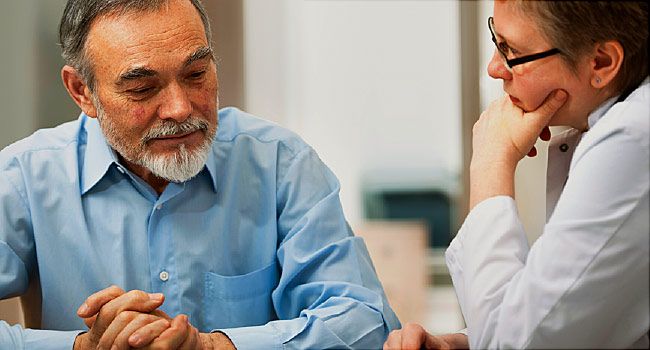
The Definitive Guide to Who Has A Drug Addiction Problem
Substance abuse condition, or drug dependency, can be specified as a progressive disease that causes individuals to lose control of the use of some compound in spite of getting worse consequences of that usage. Compound usage disorder can be life-threatening. Addictions are not issues of self-discipline or morality. Dependency is a powerful and complex illness.

The drugs alter the brain in such a way that makes stopping physically and psychologically challenging. Treating dependency typically requires lifelong care and therapy. Drugs that are typically misused consist of: Alcohol. Club drugs, like GHB, ketamine, MDMA (ecstasy/molly), flunitrazepam (Rohypnol). Stimulants, such as drug (including crack) and methamphetamine (meth). Hallucinogens, including ayahuasca, D-lysergic acid diethylamide (LSD), peyote (mescaline), phencyclidine (PCP) and DMT.
Cannabis. Opioid discomfort killers such as heroin, fentanyl, oxycodone, hydrocodone, codeine and morphine. Prescription drugs and cold medications. Sedatives, hypnotics and anxiolytics (anti-anxiety medications). Steroids (anabolic). Synthetic cannabinoids (K2 or Spice). Artificial cathinones (bath salts). Tobacco/nicotine and e cigarettes (e-cigarettes or vaping). While these drugs are extremely various from each other, they all strongly activate the addiction center https://kylanak0ss.doodlekit.com/blog/entry/13780850/our-what-is-drug-addiction-wikipedia-statements of the brain.
Individuals feel intoxicated after using drugs of abuse. With time, the brain is changed by drugs of abuse. The brain becomes desensitized to the drug of abuse so that more of the drug need to be utilized to produce the exact same effect. As the person takes in more, drugs start to take control of the person's life.
For numerous individuals, social, household and work obligations fall to the side. The person with SUD begins to feel like something's wrong if she or he isn't under the impact of the compound. They might become taken in with the need to regain that initial feeling. Anybody can establish a compound usage condition.
You might be more prone to drug usage due to: The person's hereditary makeup, gender, ethnic background and mental health concerns may raise his/her risk for developing an addiction. About two-thirds of individuals in addiction treatment are males. Specific ethnic backgrounds are at higher danger for substance abuse disorder. This is true for Native Americans.
For example, tension, peer pressure, physical or sexual abuse and early direct exposure to drugs can raise the threat. Teens who begin taking drugs are especially at risk. The parts of the brain that manage judgment, decisions and self-discipline are not fully established. Teens are most likely to participate in dangerous habits.
Getting The What Is A 12 Step Program For Drug Addiction To Work
Substance use condition and alcohol use disorder are the leading causes of preventable illness and sudden death. Research study has revealed that about 1 in 9 Americans utilizes illegal drugs (about 11% of the population). The most commonly misused drugs are marijuana and prescription medications. Drugs affect the brain, especially the "reward center" of the brain.
Typically, these benefits come from healthy habits. When you invest time with an enjoyed one or consume a tasty meal, your body releases a chemical called dopamine, which makes you feel enjoyment. It ends up being a cycle: You look for these experiences due to the fact that they reward you with great feelings. Drugs of abuse send out huge rises of dopamine through the Drug Abuse Treatment brain, too.
That can create an unhealthy drive to seek pleasure from the drug and less from more healthy satisfying experiences. The cycle focuses on seeking and taking in drugs to get that satisfying feeling. Addiction to drugs changes the brain with time. It affects how the brain works and even the brain's structure.
The very first use of a drug is an option. But addiction can develop, creating an extremely unsafe condition. Drugs affect your decision-making ability, including the decision to stop drug use. You might understand there's an issue however not able to stop. With addiction, stopping drug use can be physically uneasy.
People might begin utilizing drugs for several reasons. They may: Take pleasure in the enjoyable experience. Wish to alter or blunt their unpleasant sensations (how drug addiction affects relationships). Wish to improve their efficiency at work, school or athletics. Be curious or succumb to peer pressure. Signs of drug dependency consist of: Bloodshot eyes and looking exhausted.
Modifications in physical appearance, such as having a poor skin tone or looking ungroomed. Craving drugs. Problem completing tasks at work, school Rehab Center or house. Taking part in dangerous habits, despite knowing unfavorable consequences (such as driving while impaired or having unguarded sex). Inability to decrease or control drug usage. Concerns with money.
Last reviewed by a Cleveland Clinic doctor on 09/03/2020. Get useful, handy and pertinent health + health info Cleveland Center is a non-profit academic medical center. Marketing on our site helps support our mission. We do not back non-Cleveland Center service or products. Policy.